Blog
Harvest Now, Decrypt Later: Why Federal Agencies Must Prepare AI Systems for the Quantum Era
Federal agencies face a quantum risk today: adversaries can harvest encrypted data now and decrypt it later. Learn why AI, information governance and architectural intelligence must become part of quantum readiness.
Company
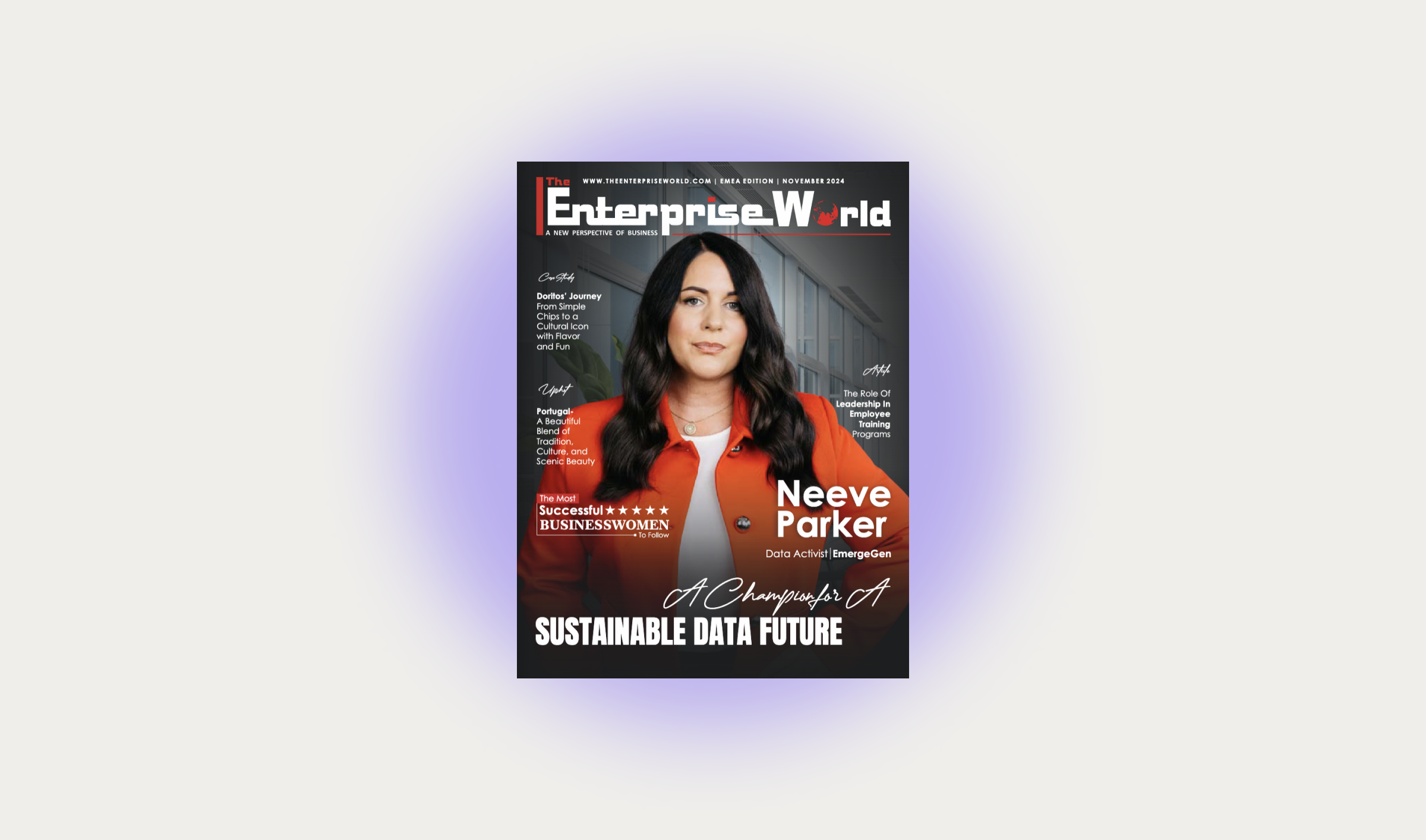
Meet the Founder: Neeve Parker of EmergeGen
In the world of artificial intelligence, it takes a unique blend of vision, resilience, and empathy to lead innovation.
Case Study
EmergeGen and Cententia Partner to Revolutionize Document Processing
EmergeGen and Cententia - a provider of tailored enterprise automation solutions - have joined forces to tackle one of the biggest challenges in business today: automating document processing at scale. With EmergeGen's Data Central as the foundation, Centennial delivers cutting-edge solutions that simplify data chaos and enhance operational efficiency.
Blog
Data Central: Simplifying Data Chaos for Enterprise Data Governance
Companies are overwhelmed by a tidal wave of raw, unstructured data in today's financial, insurance, and asset management industries. The volume is vast and chaotic, ranging from customer interactions to transaction records and market analyses.
Blog
From Data Overload to Data Goldmine: Utilizing AI for Smarter Business Decisions
In our last article, we explored the AI tech trio doing the heavy lifting of finding, organizing and governing the tsunami of unstructured data in our ever-more digitized world.
Blog
AI Precision: Understanding the Power of SLMs in EmergeGen's Data Governance Revolution
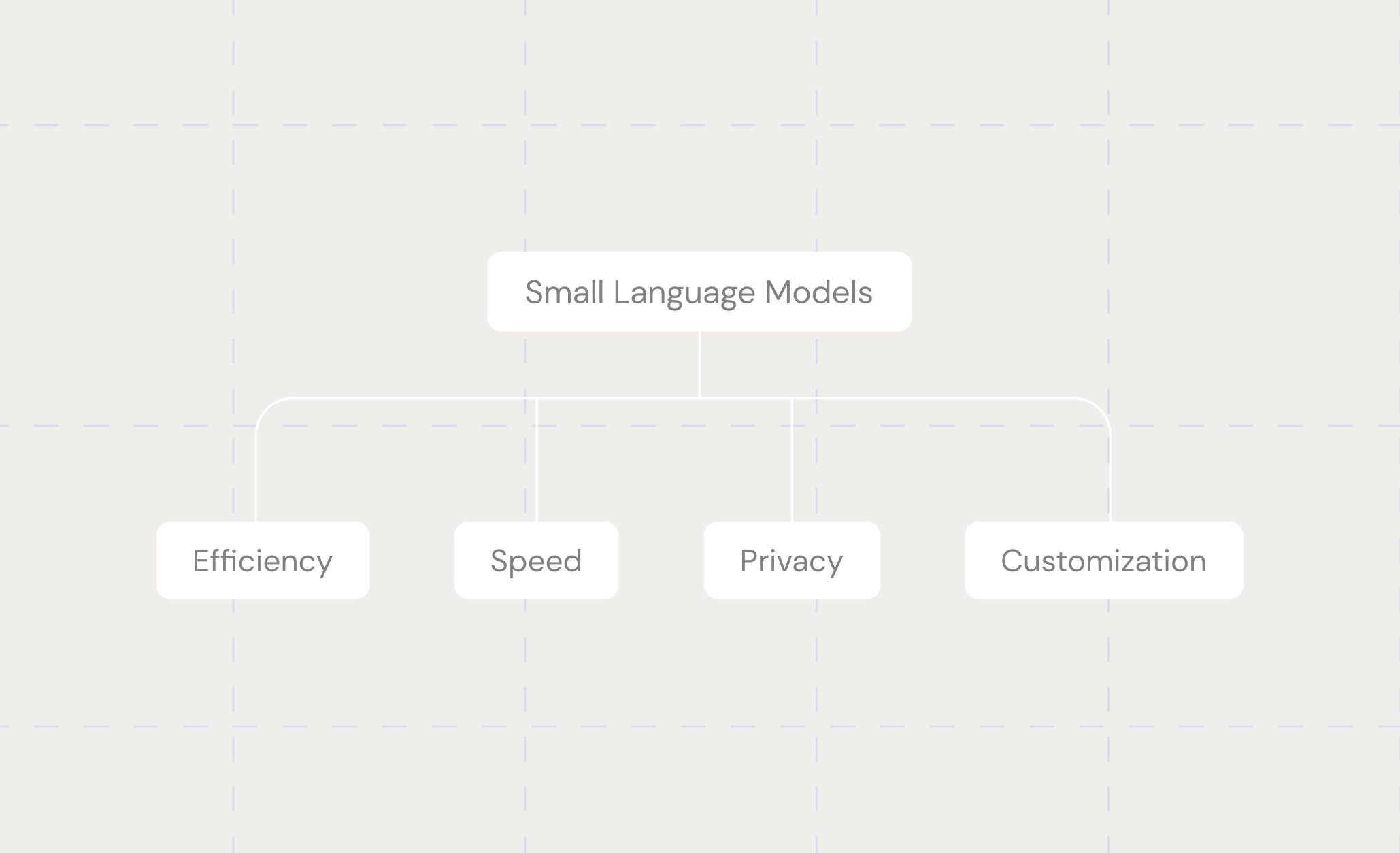
As organizations grapple with an ever-growing influx of data, traditional data management methods often fall short.